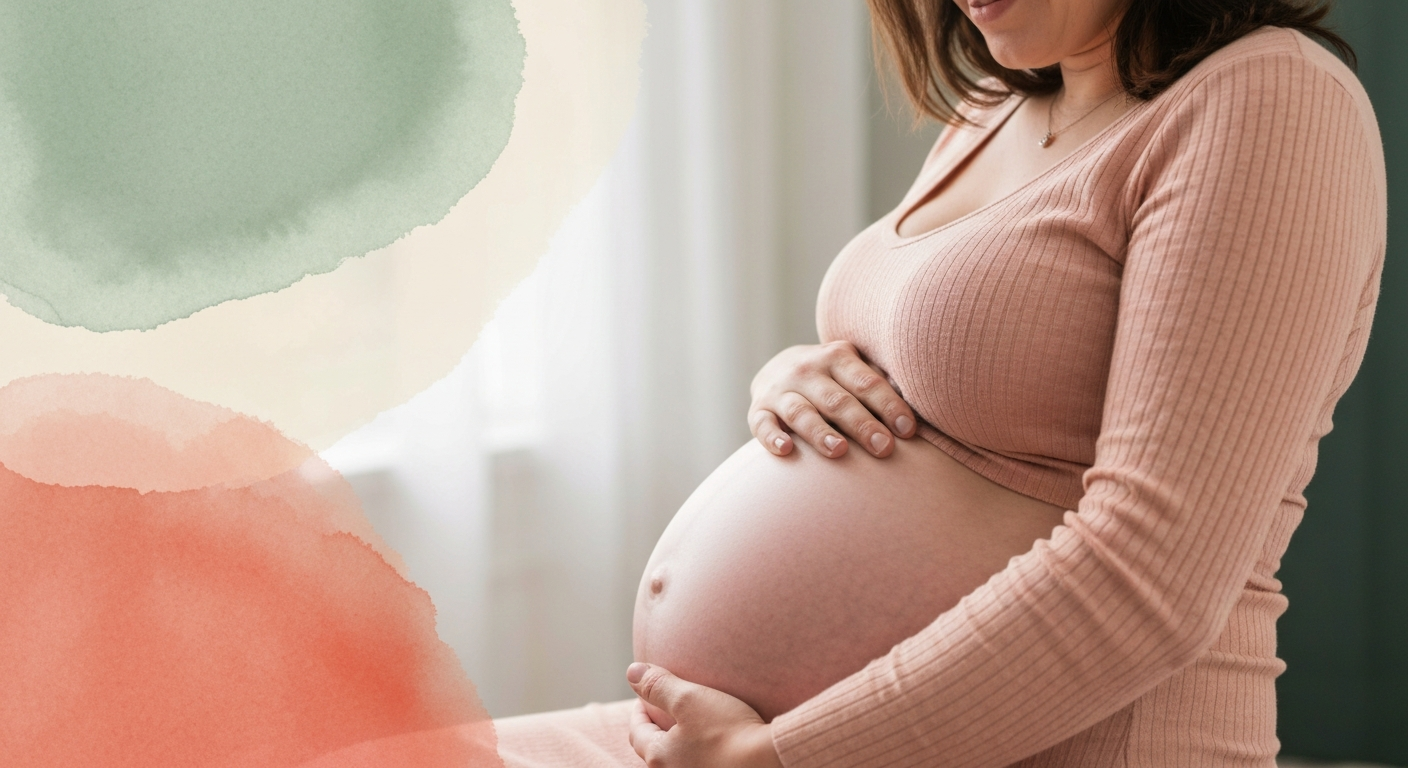
Week 33
Your baby is the size of a
Celery
43.7 cm
Length
1.9 kg
Weight
33 Weeks Pregnant: Baby's Immune System
At 33 weeks pregnant, your baby is about the size of a pineapple, measuring around 17.2 inches (43.7 cm) from head to heel and weighing approximately 4.2 pounds (1.9 kg). Your baby’s bones are hardening through a process called ossification, and their immune system is developing to help fight infections after birth.
What’s Happening at 33 Weeks Pregnant?
You’re just 7 weeks from your due date! Week 33 marks another milestone as you move closer to meeting your baby. Most babies born at 33 weeks do very well with some medical support, though staying pregnant until at least 37 weeks (early term) remains the goal.
Your body is working hard to support your rapidly growing baby. You may feel increasingly uncomfortable, tired, and ready for pregnancy to be over—all completely normal feelings at this stage.
Your uterus extends about 5 inches (13 cm) above your belly button. You’ve likely gained 23-30 pounds, and you may notice stretch marks, linea nigra (dark line down your belly), and other skin changes.
How Big is My Baby at 33 Weeks?
Your baby is about the size of a pineapple, measuring approximately 17.2 inches (43.7 cm) from crown to heel.
Your baby weighs around 4.2 pounds (1.9 kilograms) and continues gaining about half a pound per week. This rapid weight gain is building the fat stores your baby needs for temperature regulation and energy after birth.
Baby Development at Week 33
Important developments this week:
Bone hardening: Your baby’s bones are hardening through ossification, where cartilage is replaced by bone tissue. However, the skull bones remain soft and separated to allow for passage through the birth canal. These bones will eventually fuse during infancy.
Immune system development: Your baby’s immune system is producing white blood cells and developing the ability to fight some infections. However, newborns have immature immune systems and rely heavily on antibodies transferred from you during pregnancy and through breastfeeding.
Brain development accelerates: Your baby’s brain continues rapid growth, forming billions of neural connections daily. The brain will triple in weight during the final weeks of pregnancy and first year of life.
Lungs maturing: Surfactant production continues increasing. By 34 weeks, most babies have sufficient surfactant for breathing, though lungs aren’t fully mature until closer to term.
Fat accumulation: Your baby is rapidly adding fat beneath the skin, smoothing out wrinkles and providing insulation and energy stores.
Pupil response: Your baby’s pupils can now constrict and dilate in response to light.
Digestive system functional: Your baby’s digestive tract is ready to process milk, though beneficial bacteria that aid digestion won’t colonize the intestines until after birth.
Hair and nail growth: Lanugo (fine body hair) is mostly gone, replaced by actual hair on the head. Fingernails and toenails are fully grown.
Movement patterns: You should continue feeling regular movements, though large rolls and flips are less common as space becomes tight. Stretches, pokes, and hiccups are typical.
Common Symptoms at 33 Weeks
Late pregnancy brings intense symptoms:
Shortness of breath: Your uterus pushes high against your diaphragm, making deep breaths difficult. This improves when your baby drops lower.
Frequent urination and urgency: You may feel like you constantly need to urinate, even right after going.
Heartburn: Often severe in late pregnancy. Eating small frequent meals and staying upright after eating helps.
Pelvic pressure and pain: As your baby settles lower, pelvic pressure increases. Some experience symphysis pubis dysfunction (SPD), painful separation of the pelvic joint.
Braxton Hicks contractions: Practice contractions can be frequent and uncomfortable but remain irregular.
Back and hip pain: Carrying significant weight strains your back, and relaxin-loosened ligaments contribute to discomfort.
Swelling: Mild edema in feet, ankles, and hands is normal. Remove rings if fingers swell.
Difficulty sleeping: Physical discomfort, anxiety, and frequent urination disrupt sleep.
Fatigue: The physical demands of late pregnancy are exhausting.
Breast changes: Breasts are larger and may leak colostrum. You may notice darkening and enlargement of nipples and areolas.
When to Call Your Doctor
Seek immediate care for: regular painful contractions (4+ per hour), fluid leaking, bleeding, severe headache with vision changes, sudden severe swelling (especially face/hands), decreased fetal movement, or severe persistent abdominal pain.
Tips for Week 33
Continue kick counting: Monitor your baby’s movement patterns daily. Contact your provider if you notice decreased movement.
Prepare for Group B strep testing: Around weeks 35-37, you’ll have a vaginal and rectal swab to test for GBS bacteria, which can affect newborns during delivery.
Have hospital bag ready: Pack it now if you haven’t already. Include items for labor, recovery, and going home for both you and baby.
Finalize birth plan: Discuss your preferences with your provider and make sure your support person understands your wishes.
Know the signs of labor: Regular contractions, water breaking, bloody show (mucus plug), and pelvic pressure. Know when to call your provider and when to go to the hospital.
Rest as much as possible: The final weeks are physically demanding. Rest when you can and don’t feel guilty about it.
Stay active gently: Walking and prenatal yoga can help with stamina and comfort, but don’t overdo it.
Manage heartburn: Small frequent meals, avoiding triggers, staying upright after eating, and sleeping elevated.
Elevate swollen feet: Put your feet up when sitting or lying down to reduce swelling.
Practice relaxation: Use breathing exercises, visualization, or meditation to manage stress and prepare for labor.
Prepare frozen meals: Cook and freeze dinners now for easy postpartum meals.
Stock postpartum supplies: Have pads, nursing bras (if breastfeeding), stool softener, and pain reliever on hand.
Final Weeks Preparation
With 7 weeks to go, finalize preparations:
Car seat installed: Have it properly installed and inspected by a certified technician.
Pediatrician selected: You’ll need to provide their information to the hospital.
Home ready: Nursery set up, baby clothes washed, essential supplies organized.
Support network: Make sure your support person knows the plan and you have backup transportation.
Understand pain management options: Know what’s available (epidural, IV meds) and non-medical options (positions, hydrotherapy).
Discuss induction: If you go past your due date, understand when and why your provider might recommend induction.
Record the Final Stretch with Nooko
Follow your current week and due-date countdown, use the kick counter to record count-to-10 sessions and elapsed time, and use the contraction timer to record duration and spacing. Session histories and some other features require Nooko+.
Nooko does not monitor your baby, assess labor, or decide when you should seek care. Follow your healthcare professional’s movement-counting and labor plan, and contact them promptly about changes or concerns.
Download Nooko on the App Store
References
- Cleveland Clinic. (2025). “Fetal Development.” https://my.clevelandclinic.org/health/articles/7247-fetal-development-stages-of-growth
- American College of Obstetricians and Gynecologists. (2025). “How Your Fetus Grows.” https://www.acog.org/womens-health/faqs/how-your-fetus-grows-during-pregnancy
- ACOG. (2025). “Weight Gain During Pregnancy.” https://www.acog.org/womens-health/faqs/weight-gain-during-pregnancy
- BabyCenter. (2025). “33 Weeks Pregnant.” https://www.babycenter.com/pregnancy/week-by-week/33-weeks-pregnant
- Mayo Clinic. (2024). “Fetal development: The 3rd trimester.” https://www.mayoclinic.org/healthy-lifestyle/pregnancy-week-by-week/in-depth/fetal-development/art-20045997
- Children’s Hospital of Philadelphia. (2025). “Development of the Immune System.” https://www.chop.edu/vaccine-education-center/human-immune-system/development-immune-system
- Merck Manual. (2025). “Respiratory Distress Syndrome.” https://www.merckmanuals.com/home/children-s-health-issues/lung-and-breathing-problems-in-newborns/respiratory-distress-syndrome-in-newborns
- Tommy’s. (2025). “Your baby’s movements in pregnancy.” https://www.tommys.org/pregnancy-information/im-pregnant/pregnancy-news-and-blogs/your-babys-movements-pregnancy
- ACOG. (2025). “Exercise During Pregnancy.” https://www.acog.org/womens-health/faqs/exercise-during-pregnancy
- ACOG. (2025). “Problems of the Digestive System.” https://www.acog.org/womens-health/faqs/problems-of-the-digestive-system
- ACOG. (2020). “Physical Activity During Pregnancy.” https://www.acog.org/clinical/clinical-guidance/committee-opinion/articles/2020/04/physical-activity-and-exercise-during-pregnancy-and-the-postpartum-period
Get Nooko Updates
Pregnancy tips and product updates, sent occasionally.
No spam. Privacy policy. Consumer health privacy. Unsubscribe anytime.
Ready to start tracking?
Download Nooko free — your pregnancy companion from week 1 to birth.