
Week 40
Your baby is the size of a
Pumpkin
51.2 cm
Length
3.5 kg
Weight
40 Weeks Pregnant: Due Date Week - Any Day Now!
At 40 weeks pregnant, you’ve reached your due date! Your baby is about the size of a small pumpkin or watermelon, measuring around 19.5-20.5 inches (49.5-52 cm) from head to heel and weighing approximately 6.5-8 pounds (3-3.6 kg), though weights vary significantly. Only about 5% of babies arrive on their exact due date, but your baby could come any day now.
What’s Happening at 40 Weeks Pregnant?
Welcome to your due date! Whether you’re feeling excited, impatient, anxious, or all of the above, it’s completely normal. Remember that your “due date” is really just an estimate—a 280-day window calculated from the first day of your last menstrual period. Most babies arrive within two weeks on either side of this date.
You’re still in the full-term window (39-40 weeks), which is optimal for delivery. If labor hasn’t started yet, don’t panic. It’s very common to go past your due date, especially with first pregnancies. About 50% of first-time parents give birth after 40 weeks.
Your prenatal visits are weekly. Your provider will monitor your baby’s heart rate, check your cervix, and possibly do a non-stress test or biophysical profile to ensure your baby is doing well. If you reach 41 weeks without labor, your provider will discuss induction.
How Big is My Baby at 40 Weeks?
Your baby at 40 weeks is about the size of a small pumpkin or watermelon, measuring approximately 19.5-20.5 inches (49.5-52 cm) from crown to heel.
Weight varies significantly—anywhere from 6.5-8.5 pounds is normal, with some healthy babies weighing more or less. Average weight at 40 weeks is about 7-7.5 pounds (3.2-3.4 kilograms).
Baby Development at 40 Weeks
Your baby is fully developed and ready for birth:
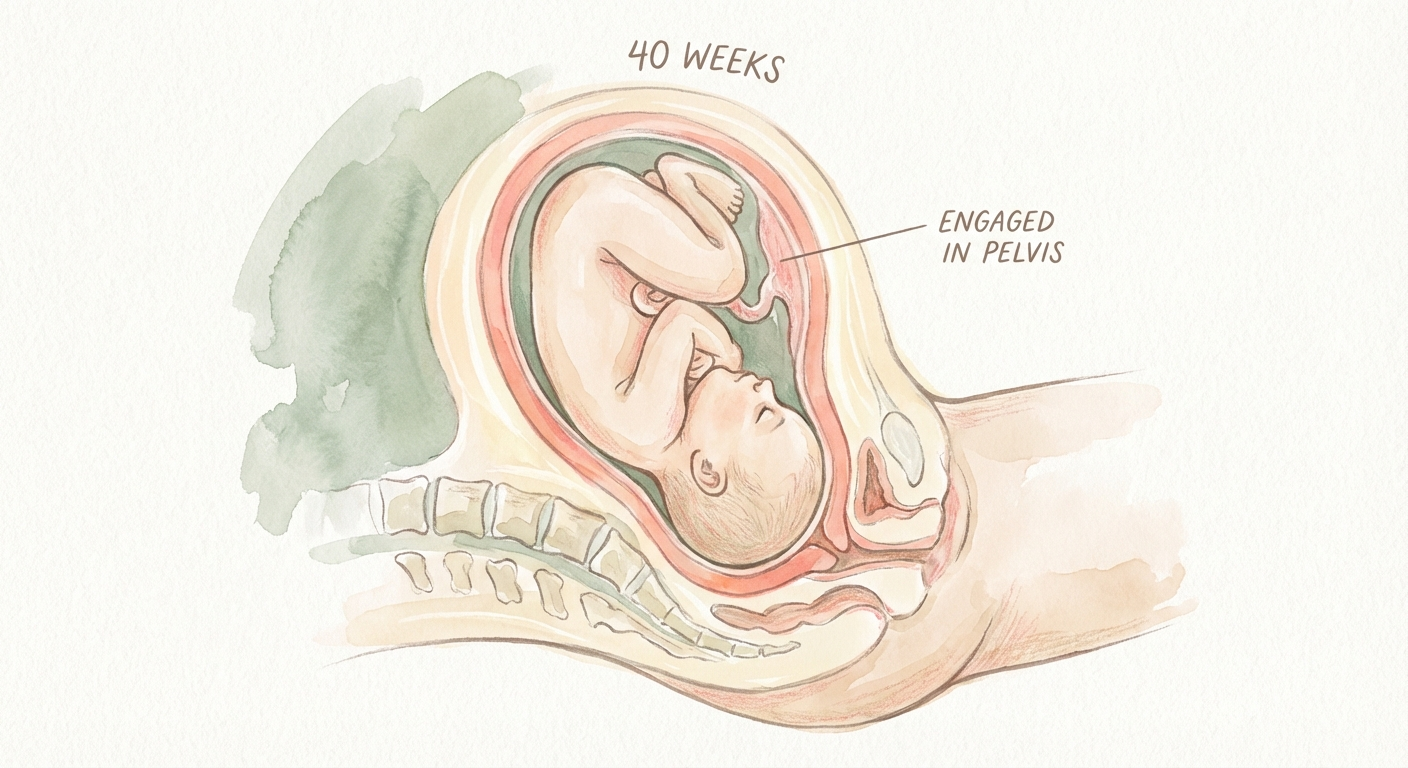
Complete organ maturity: All organ systems are fully functional and ready for life outside the womb.
Brain and lung maturation: Both have reached optimal maturity for birth, though development continues after delivery.
Fat stores: Your baby has accumulated sufficient fat for temperature regulation and energy.
Reflexes ready: All newborn reflexes are present and functional.
Immune system: While still maturing, your baby’s immune system can fight some infections and will receive antibodies through breastfeeding.
Vernix mostly gone: The protective waxy coating has mostly been absorbed, though some may remain in skin folds.
Long fingernails: Your baby’s fingernails may be long enough to need trimming soon after birth.
Meconium ready: Your baby’s first bowel movement (meconium) is in the intestines and will typically be passed within 24-48 hours after birth.
Skull bones soft: The skull bones remain soft and separated to allow molding during birth.
When Will Labor Start?
This is the million-dollar question! Unfortunately, there’s no way to predict exactly when labor will begin. Some signs that labor may be approaching include:
Cervical changes: Dilation and effacement, though these can happen weeks before labor.
Baby dropping: Your baby may settle deeper into your pelvis, though this can occur weeks before delivery.
Increased Braxton Hicks: Practice contractions may become more frequent.
Loss of mucus plug: Thick mucus with blood streaks, which can occur days before labor.
Nesting instinct: Burst of energy and urge to organize everything.
Diarrhea or loose stools: Hormonal changes preparing your body for labor.
Back pain: Persistent lower back pain or cramping.
However, some people experience none of these signs before labor suddenly begins. Every pregnancy and labor is unique.
What If I Go Past My Due Date?
Going past 40 weeks is very common. Here’s what to expect:
Continued monitoring: Your provider will monitor you and your baby closely with NSTs (non-stress tests) and/or biophysical profiles.
Discussion of induction: Most providers recommend induction between 41-42 weeks to reduce risks associated with postterm pregnancy.
ACOG recommendations: ACOG suggests that induction at 41 weeks reduces stillbirth risk without increasing cesarean rate compared to waiting longer.
Your choice: In most cases (barring medical complications), you have agency in deciding timing, though your provider will offer guidance based on your specific situation.
Signs of Labor
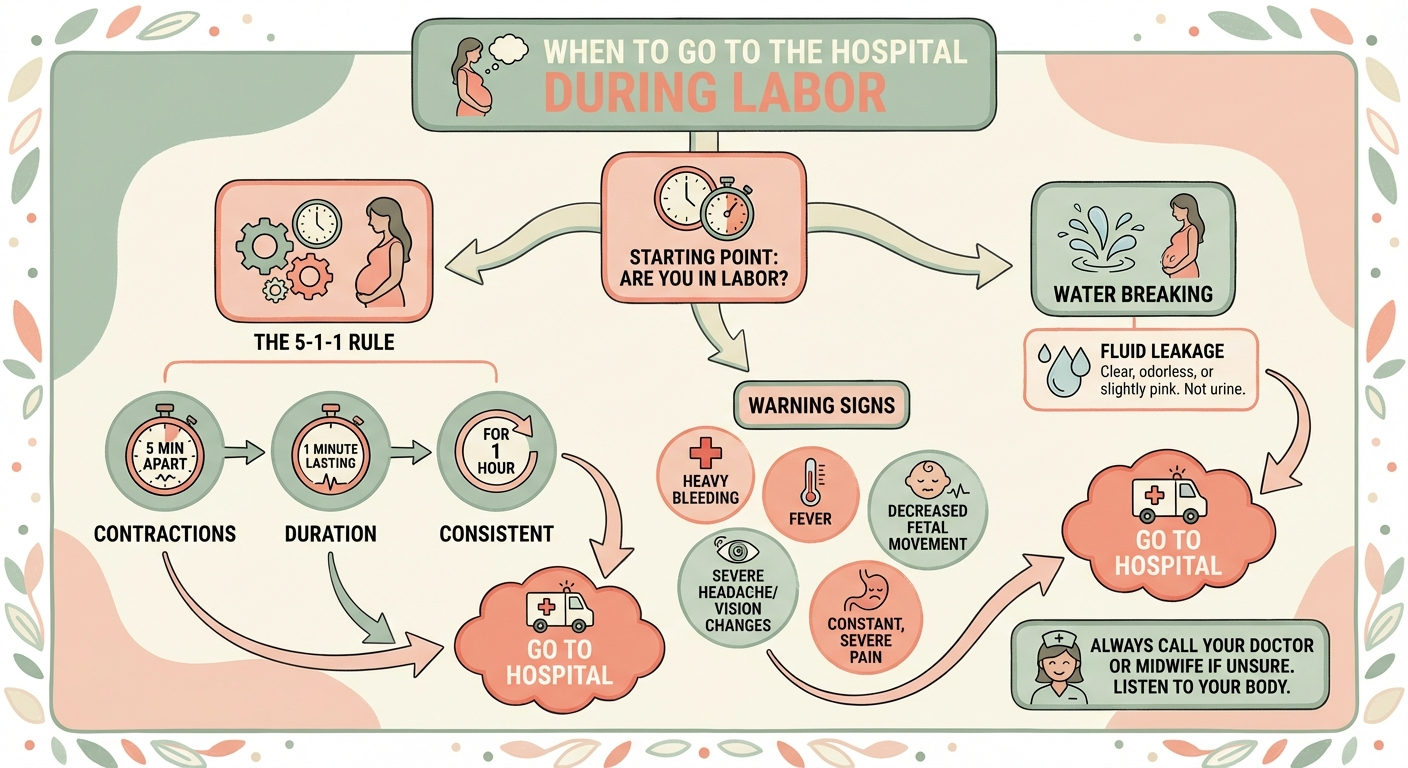
True labor is characterized by:
Regular contractions: Contractions that are consistently timed (typically 5 minutes apart or less), last about 60 seconds, and increase in intensity over time.
Progressive cervical change: Unlike Braxton Hicks, true labor contractions cause cervical dilation and effacement.
Doesn’t stop with rest or hydration: True labor continues regardless of activity level or fluid intake.
May include: Water breaking, bloody show, back pain, pelvic pressure.
When to Go to the Hospital
Contact your provider or go to the hospital when:
Regular contractions: Following the 5-1-1 rule (5 minutes apart, 1 minute long, for 1 hour) or your provider’s specific guidance.
Water breaks: Call immediately, even without contractions.
Heavy bleeding: More than light spotting.
Decreased fetal movement: Significantly reduced kicks or movement.
Severe symptoms: Severe headache, vision changes, or severe abdominal pain.
Tips for Week 40
Be patient: Your baby will come when ready. Stress won’t help—try to relax.
Stay active: Walking can help encourage labor naturally, but don’t exhaust yourself.
Rest when possible: Labor is demanding. Conserve your energy.
Keep eating well: You need nutrition and energy.
Stay hydrated: Drink plenty of water.
Practice relaxation: Breathing exercises, meditation, or warm baths can help manage anxiety.
Natural labor encouragement: Some try walking, sex (if membranes haven’t ruptured), nipple stimulation, or certain foods, though evidence is limited. Always check with your provider first.
Monitor baby’s movement: Continue tracking kicks. Report decreased movement immediately.
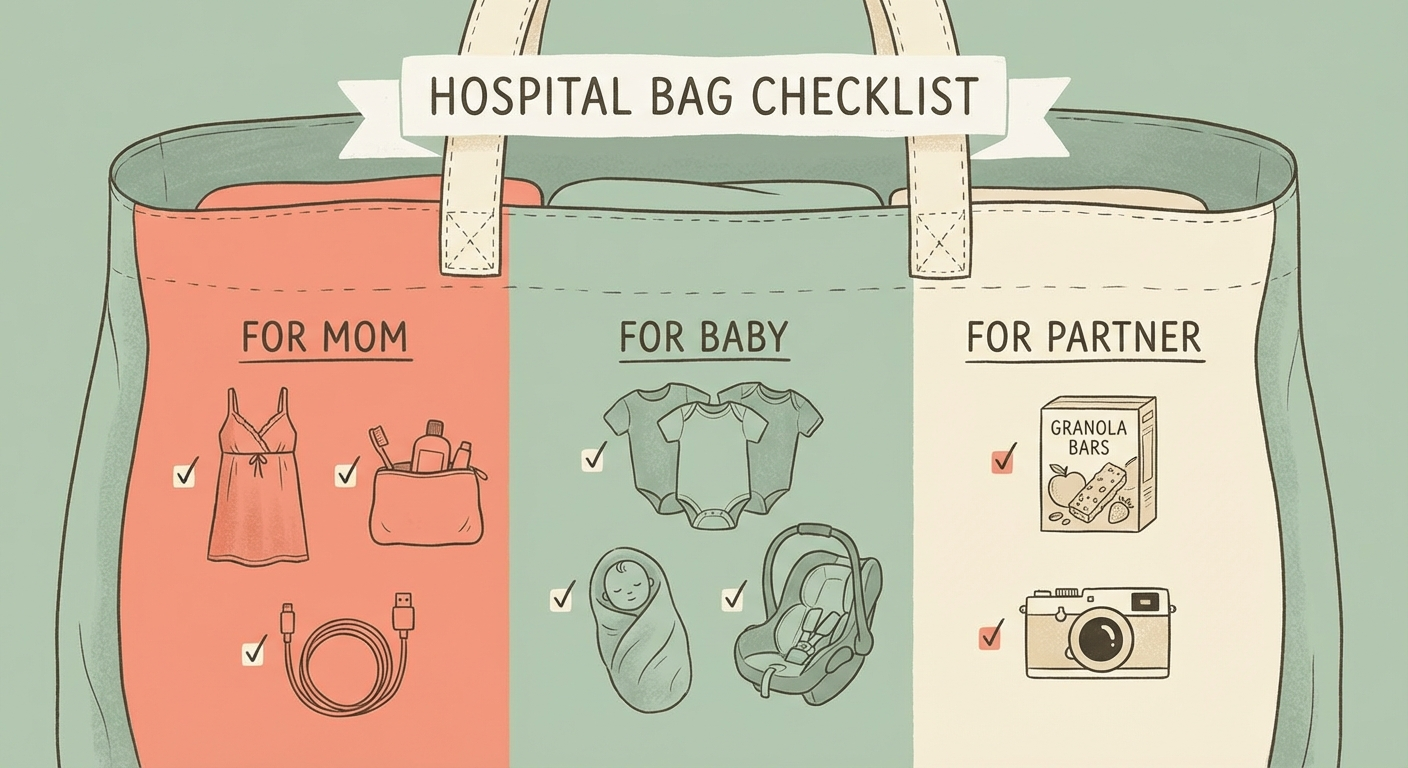
Stay ready: Keep your hospital bag packed and phone charged.
Communicate with your provider: Discuss any concerns and understand the plan for if you go past 41 weeks.
Try to enjoy these final days: This is the end of pregnancy and beginning of parenthood—a profound transition.
Understanding Postterm Pregnancy
Postterm pregnancy (42+ weeks) carries increased risks:
Placental aging: The placenta may become less efficient at transferring nutrients and oxygen.
Decreased amniotic fluid: Can lead to complications.
Larger baby: May increase delivery complications.
Meconium aspiration: Baby may pass meconium in the womb, which can be inhaled.
Stillbirth risk: Though rare, risk increases slightly after 41 weeks.
For these reasons, most providers recommend induction by 42 weeks at the latest, with many recommending 41 weeks.
Record the Final Stretch with Nooko
Follow your current week and due-date countdown, use the kick counter to record count-to-10 sessions and elapsed time, and use the contraction timer to record duration and spacing. Session histories and some other features require Nooko+.
Nooko does not monitor your baby, assess labor, or decide when you should seek care. Follow your healthcare professional’s movement-counting and labor plan, and contact them promptly about changes or concerns.
Download Nooko on the App Store
References
- American College of Obstetricians and Gynecologists. (2017). “Methods for Estimating the Due Date.” https://www.acog.org/clinical/clinical-guidance/committee-opinion/articles/2017/05/methods-for-estimating-the-due-date
- ACOG. (2017). “Methods for Estimating the Due Date.” https://www.acog.org/clinical/clinical-guidance/committee-opinion/articles/2017/05/methods-for-estimating-the-due-date
- ACOG. (2025). “How to Tell When Labor Begins.” https://www.acog.org/womens-health/faqs/how-to-tell-when-labor-begins
- BabyCenter. (2025). “40 Weeks Pregnant.” https://www.babycenter.com/pregnancy/week-by-week/40-weeks-pregnant
- Mayo Clinic. (2024). “Fetal development: The 3rd trimester.” https://www.mayoclinic.org/healthy-lifestyle/pregnancy-week-by-week/in-depth/fetal-development/art-20045997
- American College of Obstetricians and Gynecologists. (2025). “How to Tell When Labor Begins.” https://www.acog.org/womens-health/faqs/how-to-tell-when-labor-begins
- American College of Obstetricians and Gynecologists. (2024). “Pregnancy: Weeks 28-40.” https://www.acog.org/womens-health/infographics/pregnancy-weeks-28-40
- American College of Obstetricians and Gynecologists. (2024). “Induction of Labor.” https://www.acog.org/womens-health/faqs/labor-induction
- ACOG. (2025). “How to Tell When Labor Begins.”
- ACOG. (2024). “Induction of Labor.”
Get Nooko Updates
Pregnancy tips and product updates, sent occasionally.
No spam. Privacy policy. Consumer health privacy. Unsubscribe anytime.
Ready to start tracking?
Download Nooko free — your pregnancy companion from week 1 to birth.