Foods to Avoid During Pregnancy: Complete Guide
Essential food safety guide for pregnancy. Learn which foods to avoid including raw fish, deli meat, unpasteurized cheese, and high-mercury fish, with CDC and FDA guidance.
By Nooko Team
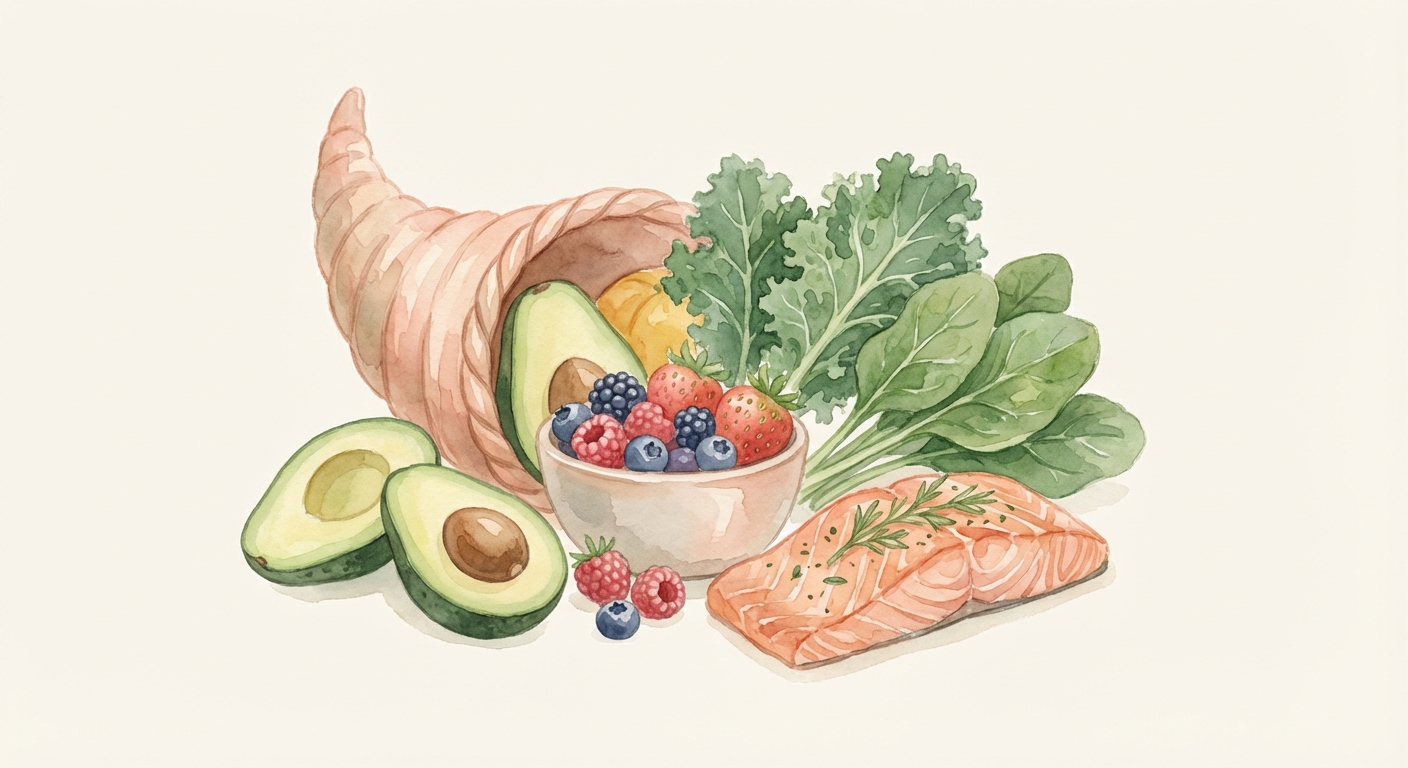
During pregnancy, certain foods pose risks of foodborne illness or contain substances harmful to fetal development. Avoid raw or undercooked seafood, meat, and eggs; unpasteurized dairy and juices; deli meats and hot dogs (unless heated steaming hot); high-mercury fish like shark and swordfish; raw sprouts; and excessive caffeine. These guidelines from the CDC and FDA help protect you and your baby from listeria, salmonella, toxoplasmosis, and mercury exposure.1
High-Risk Foods to Completely Avoid
Raw or Undercooked Seafood
Avoid: Raw fish (sushi with raw fish, sashimi), raw oysters, clams, mussels, ceviche, poke.
Why: Risk of parasites and harmful bacteria.
Safe alternative: Fully cooked seafood, vegetarian sushi rolls, cooked sushi (like California rolls with cooked crab).2
Raw or Undercooked Meat and Poultry
Avoid: Rare or medium-rare beef, pork, or lamb; undercooked poultry; raw or undercooked hot dogs.
Why: Risk of toxoplasmosis, salmonella, E. coli, and listeria.
Safe preparation: Cook beef, pork, and lamb to 145°F; ground meat to 160°F; poultry to 165°F. Use a meat thermometer.3
Raw or Undercooked Eggs
Avoid:
- Runny or soft-boiled eggs
- Raw cookie dough or cake batter
- Homemade Caesar dressing, hollandaise sauce, mayonnaise
- Tiramisu, mousse, or other desserts with raw eggs
Why: Risk of salmonella.
Safe alternatives: Fully cooked eggs (yolk and white firm), pasteurized eggs for recipes requiring raw eggs, store-bought versions of dressings and sauces (made with pasteurized eggs).4
Unpasteurized Dairy Products
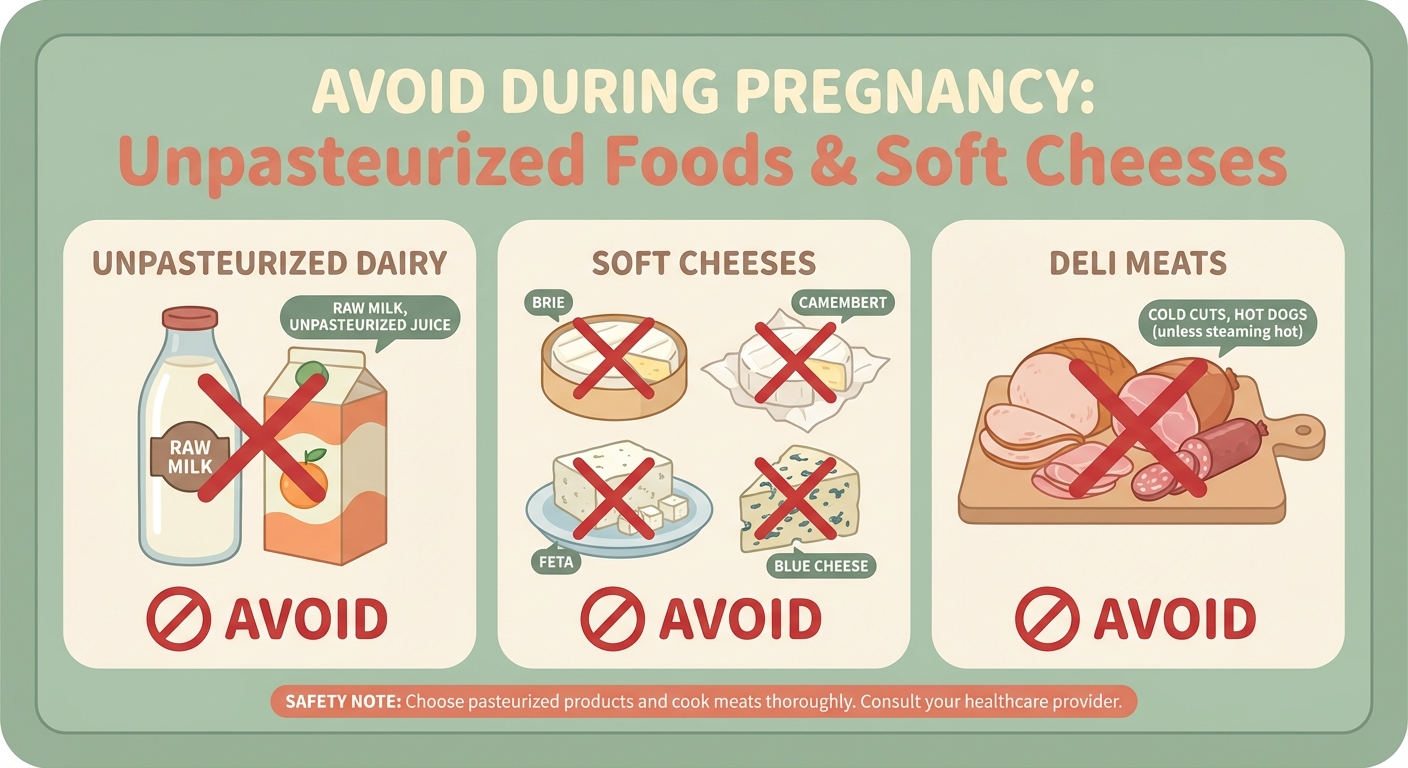
Avoid:
- Soft cheeses made from unpasteurized milk: Brie, Camembert, feta, blue cheese, queso fresco, queso blanco, panela
- Unpasteurized milk
- Unpasteurized yogurt
Why: Risk of listeria, which can cause miscarriage, stillbirth, or severe illness in newborns.
Safe alternatives: Hard cheeses (cheddar, Swiss, Parmesan), pasteurized soft cheeses (check labels), all products made from pasteurized milk.5
Deli Meats and Hot Dogs
Avoid: Cold deli meats, lunch meats, hot dogs, and pâté unless heated until steaming hot.
Why: Risk of listeria contamination.
Safe preparation: Heat deli meats and hot dogs to 165°F (steaming hot) before eating.6
High-Mercury Fish
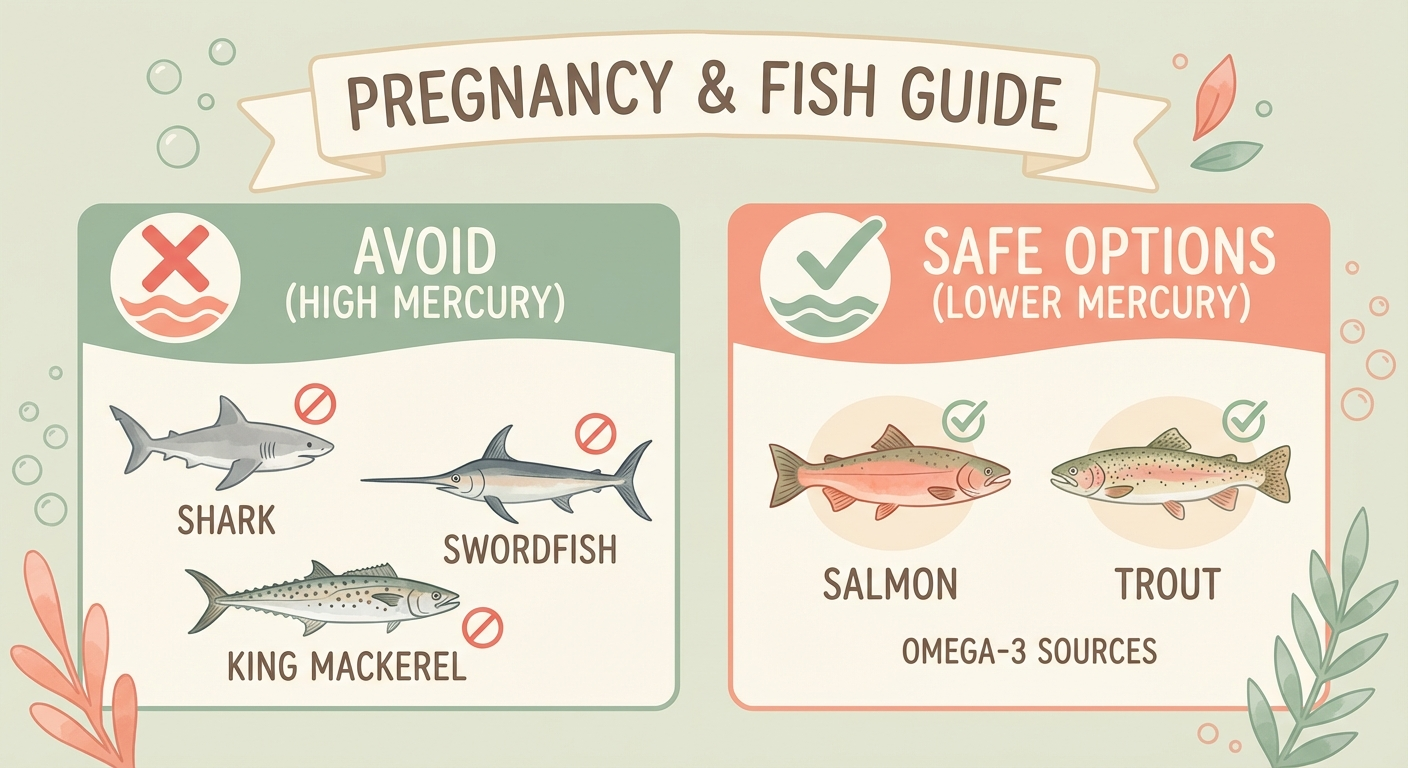
Avoid completely:
- Shark
- Swordfish
- King mackerel
- Tilefish (Gulf of Mexico)
- Bigeye tuna
- Marlin
- Orange roughy
Why: Mercury accumulates in your body and can harm your baby’s developing nervous system and brain.
Safe fish: Salmon, shrimp, pollock, catfish, cod, tilapia, sardines, anchovies (see pregnancy-safe fish article for details).7
Raw Sprouts
Avoid: Raw or lightly cooked sprouts (alfalfa, clover, radish, mung bean).
Why: Risk of salmonella and E. coli.
Safe alternative: Thoroughly cooked sprouts are safe.
Unpasteurized Juice
Avoid: Fresh-squeezed juice from juice bars, farm stands, or restaurants unless you know it’s pasteurized.
Why: Risk of E. coli and salmonella.
Safe alternatives: Store-bought pasteurized juice, juice you make at home (wash produce thoroughly).8
Foods to Limit
Caffeine
Limit to: Less than 200 mg per day (about one 12-oz cup of coffee).
Found in: Coffee, tea, soda, energy drinks, chocolate.
Why: Excessive caffeine linked to increased miscarriage risk and low birth weight.9
Fish (Even Safe Varieties)
Limit to: 8-12 ounces (2-3 servings) per week of low-mercury fish.
Albacore tuna: Limit to 6 ounces (1 serving) per week.
Why: Even low-mercury fish contain some mercury.
Liver and Vitamin A-Rich Foods
Limit: Liver and liver products (pâté, liverwurst).
Why: Very high in vitamin A; excessive amounts can harm fetal development.
How much: Small amounts occasionally are okay, but avoid regular consumption.
Herbal Teas
Approach with caution: Many herbal teas haven’t been studied for safety during pregnancy.
Generally safe in moderation: Ginger tea, peppermint tea, raspberry leaf tea (third trimester only).
Avoid: Teas with excessive amounts of herbs or unknown ingredients.10
Food Safety Practices
Proper Food Handling
Wash hands: Before and after handling food, especially raw meat.
Separate raw and cooked: Use separate cutting boards for raw meat and ready-to-eat foods.
Cook to safe temperatures: Use a food thermometer.
Refrigerate promptly: Don’t leave food at room temperature for more than 2 hours (1 hour if above 90°F).
Reheat leftovers: To 165°F.
Washing Produce
Rinse thoroughly: Under running water, even if you plan to peel it.
Use a brush: For firm produce like melons and cucumbers.
Dry: With a clean towel or paper towel.
Pre-washed greens: Rinse again before eating.
Why These Precautions Matter
Listeria
Can cross the placenta and infect your baby, leading to miscarriage, stillbirth, premature delivery, or life-threatening infection in newborns. Pregnant people are 10 times more likely to get listeriosis than the general population.11
Toxoplasmosis
Can cause serious complications including brain damage and vision problems in your baby if infected during pregnancy.
Salmonella and E. Coli
While usually not directly harmful to the baby, severe illness in the mother can lead to complications.
Mercury
Accumulates in fetal brain and nervous system, potentially causing developmental delays and learning disabilities.
Use Current Food-Safety Guidance
Nooko does not scan food barcodes, flag ingredients, maintain a meal log, or provide personalized nutrition recommendations. Use current guidance from your healthcare professional and the food-safety authority where you live. Nooko can help you follow your pregnancy week by week and keep general notes and checklists organized.
Download Nooko on the App Store
References
Footnotes
-
CDC. (2025). “Safer Food Choices for Pregnant Women.” https://www.cdc.gov/food-safety/foods/pregnant-women.html ↩
-
FDA. (2024). “Eating Fish: What Pregnant Women and Parents Should Know.” https://www.fda.gov/food/consumers/eating-fish-what-pregnant-women-and-parents-should-know ↩
-
USDA. (2024). “Safe Minimum Internal Temperatures.” https://www.fsis.usda.gov/food-safety/safe-food-handling-and-preparation/food-safety-basics/safe-temperature-chart ↩
-
CDC. (2025). “Safer Food Choices for Pregnant Women.” ↩
-
CDC. (2025). “Preventing Listeria Infection.” https://www.cdc.gov/listeria/prevention/index.html ↩
-
CDC. (2025). “People at Increased Risk for Listeria Infection.” https://www.cdc.gov/listeria/risk-factors/index.html ↩
-
FDA. (2024). “Eating Fish: What Pregnant Women and Parents Should Know.” ↩
-
FDA. (2024). “Food Safety for Pregnant Women.” https://www.fda.gov/food/people-risk-foodborne-illness/food-safety-pregnant-women ↩
-
American College of Obstetricians and Gynecologists. “Moderate Caffeine Consumption During Pregnancy.” ↩
-
ACOG. (2024). “Nutrition During Pregnancy.” https://www.acog.org/womens-health/faqs/nutrition-during-pregnancy ↩
-
CDC. (2025). “People at Increased Risk for Listeria Infection.” https://www.cdc.gov/listeria/risk-factors/index.html ↩
Ready to track your pregnancy?
Use Nooko to follow each week, keep pregnancy tools together, and share supported updates with your partner.
Download FreeGet Nooko Updates
Pregnancy tips and product updates, sent occasionally.
No spam. Privacy policy. Consumer health privacy. Unsubscribe anytime.