Morning Sickness Remedies That Actually Work
Evidence-based remedies for pregnancy nausea and vomiting. Learn what works according to medical research—from ginger and vitamin B6 to acupressure and diet changes.
By Nooko Team
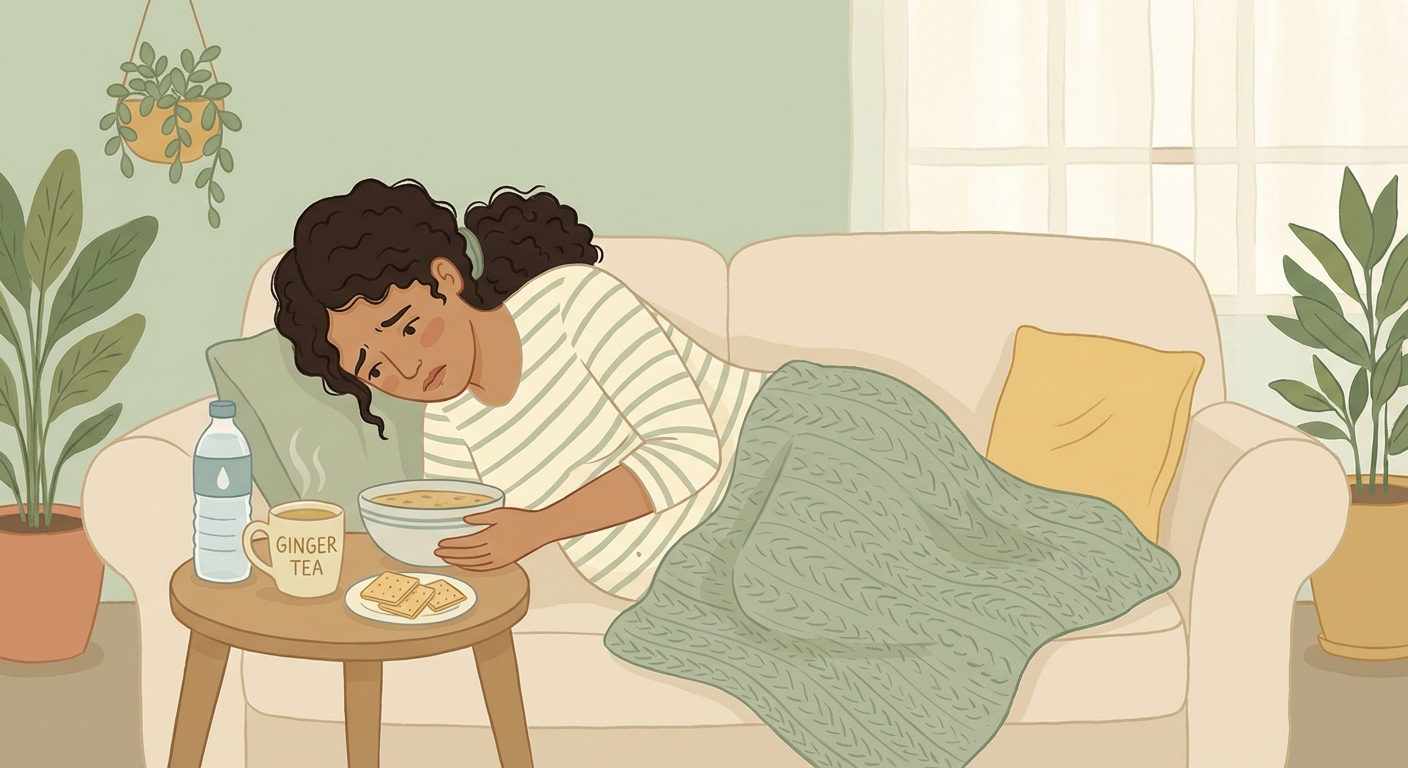
Morning sickness affects 70-80% of pregnant people, typically starting around week 6 and improving by week 12-16. The good news: several evidence-based remedies can help reduce nausea and vomiting. Vitamin B6 (pyridoxine) and ginger are first-line treatments recommended by ACOG, and small frequent meals, hydration, and avoiding triggers also provide relief.1
What is Morning Sickness?
Morning sickness (nausea and vomiting of pregnancy, or NVP) is caused by rapidly rising hormone levels, particularly human chorionic gonadotropin (hCG) and estrogen. Despite its name, morning sickness can occur any time of day or night.2
When it starts: Usually begins around week 6, peaks around weeks 8-11, and improves by weeks 12-16 for most people. About 10% continue experiencing nausea into the second trimester.
Severity ranges: From mild queasiness to severe vomiting (hyperemesis gravidarum) that requires medical treatment.
Not harmful to baby: While miserable for you, typical morning sickness doesn’t harm your baby. In fact, some research suggests mild to moderate nausea is associated with lower miscarriage risk.3
Evidence-Based Remedies That Work

Vitamin B6 (Pyridoxine)
Why it works: Vitamin B6 is ACOG’s first-line recommendation for morning sickness. Research shows it significantly reduces nausea, though evidence for reducing vomiting is more limited.4
Dosing: 10-25 mg taken 3-4 times daily (total daily dose 30-100 mg). Talk to your provider about the right dose for you.
Safety: Vitamin B6 is safe during pregnancy and available over-the-counter.
Effectiveness: Studies show 60-70% of people experience reduced nausea with vitamin B6.
How to take it: Start with a low dose and increase if needed. Take with food to enhance absorption.
Ginger
Why it works: Ginger has natural anti-nausea properties and has been used for centuries to treat digestive issues. Multiple studies confirm its effectiveness for pregnancy nausea.5
Dosing: 250 mg capsules taken 4 times daily, or 1 gram total daily dose. Fresh ginger tea made with 1-inch piece of fresh ginger root is also effective.
Forms that work:
- Ginger capsules (250-500 mg)
- Fresh ginger tea
- Ginger chews or candies (ensure they contain real ginger)
- Crystallized ginger
Safety: Generally safe in recommended doses. Avoid excessive amounts (over 2-3 grams daily).
Effectiveness: Research shows ginger reduces nausea severity by 30-40% compared to placebo. Some studies find it as effective as vitamin B6.
Doxylamine + Vitamin B6 (Diclegis/Bonjesta)
What it is: Prescription combination of doxylamine (an antihistamine) and vitamin B6, specifically approved by the FDA for pregnancy nausea.6
Why it works: The combination is more effective than either ingredient alone.
Safety: Extensively studied and considered safe during pregnancy.
Effectiveness: Reduces nausea and vomiting in 70-80% of users.
When to consider: If over-the-counter vitamin B6 and ginger aren’t providing sufficient relief.
Small, Frequent Meals
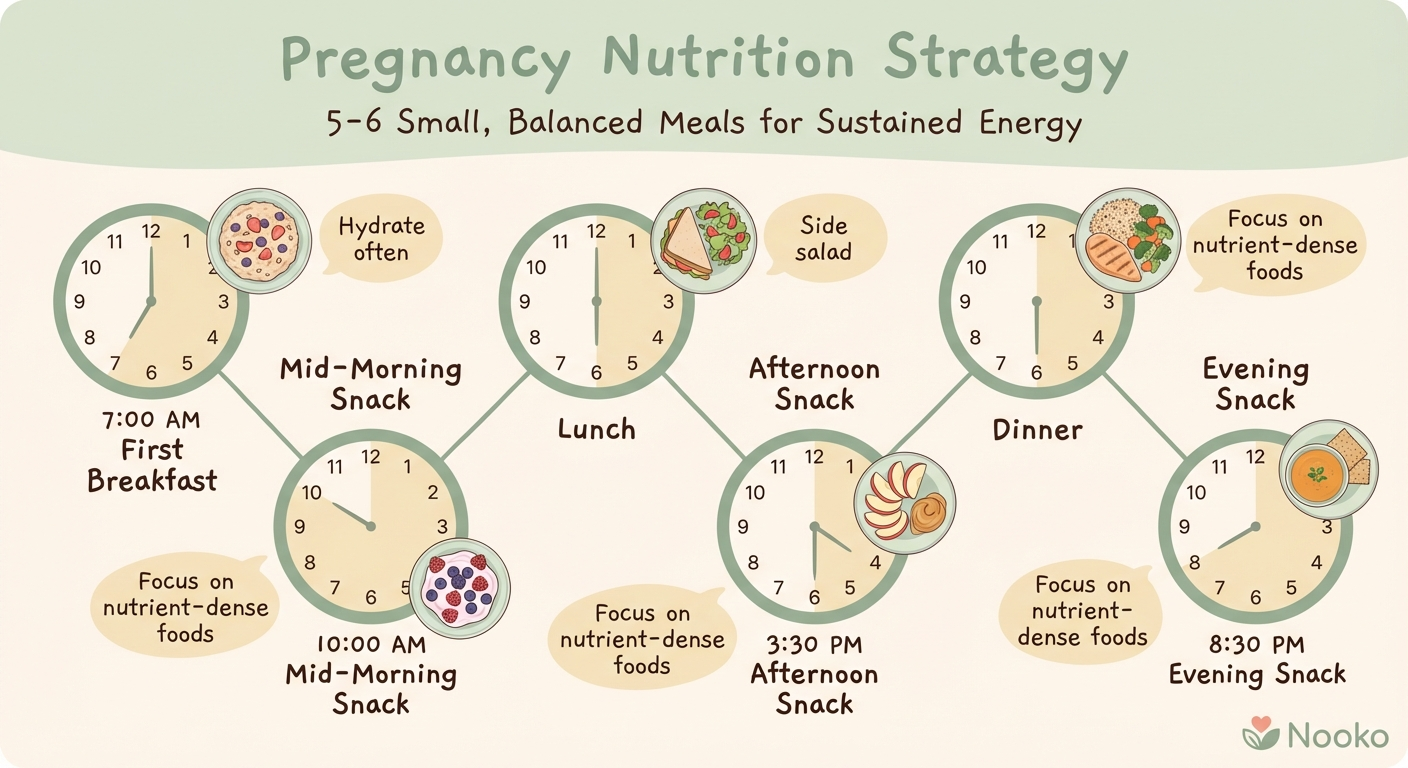
Why it helps: Empty stomach increases nausea, but overly full stomach can too. Small frequent meals keep blood sugar stable and prevent stomach from being too empty or too full.7
How to do it: Eat 5-6 small meals/snacks throughout the day rather than 3 large meals.
Best foods:
- Bland carbohydrates: crackers, toast, rice, oatmeal
- Protein: eggs, Greek yogurt, nuts, lean chicken
- Cold foods: often more tolerable than hot foods due to less smell
- Salty foods: pretzels, saltines, chips (in moderation)
What to avoid:
- Spicy, fatty, or greasy foods
- Strong-smelling foods
- Foods with textures that trigger nausea
Hydration Strategies
Why it matters: Dehydration worsens nausea and can lead to serious complications.8
How to stay hydrated:
- Sip fluids slowly throughout the day rather than drinking large amounts at once
- Try ice chips, popsicles, or frozen fruit if drinking is difficult
- Add lemon or ginger to water for flavor and anti-nausea benefits
- Cold fluids are often easier to tolerate than room temperature
Best fluids:
- Water (plain or flavored with lemon/cucumber)
- Ginger tea
- Peppermint tea
- Electrolyte drinks if vomiting frequently
- Bone broth (provides both hydration and nutrients)
Acupressure
Why it works: Pressure on the P6 (Nei Guan) acupressure point on the wrist has shown modest effectiveness in reducing nausea.9
How to do it: The P6 point is located on the inside of your wrist, about three finger-widths below the wrist crease, between two tendons.
Methods:
- Sea-Bands or acupressure wristbands (worn continuously)
- Manual pressure: Apply firm pressure for 1-2 minutes several times daily
- Acupressure beads worn on wristbands
Effectiveness: Studies show 20-30% reduction in nausea for some people. May work best when combined with other remedies.
Safety: Completely safe with no side effects.
Peppermint
Why it helps: Peppermint has natural anti-nausea properties and can soothe the digestive tract.10
How to use:
- Peppermint tea (avoid on empty stomach if you have heartburn)
- Peppermint essential oil aromatherapy (don’t ingest essential oils)
- Peppermint candies or gum
Safety: Generally safe in food amounts. Avoid if you have severe heartburn, as peppermint can relax the esophageal sphincter.
Protein Before Bed
Why it works: Eating protein before bed helps maintain stable blood sugar overnight, reducing morning nausea.11
Best options:
- Greek yogurt
- Cheese and crackers
- Handful of nuts
- Hard-boiled egg
- Protein shake
Avoiding Triggers
Common triggers to identify and avoid:
- Strong smells (perfumes, cooking odors, gasoline)
- Stuffy, warm rooms (keep bedroom cool and well-ventilated)
- Visual triggers (flickering lights, certain patterns)
- Fatigue (rest when possible)
- Stress
- Certain foods (varies individually)
When Morning Sickness Becomes Severe
Hyperemesis gravidarum is severe, persistent vomiting that can lead to dehydration, weight loss, and electrolyte imbalances. Seek medical care if you experience:12
- Vomiting multiple times daily and unable to keep food/fluids down
- Weight loss of 5% or more of pre-pregnancy weight
- Signs of dehydration: dark urine, dizziness, rapid heartbeat
- Unable to take prenatal vitamins or medications
- Vomiting blood
- Severe abdominal pain
- Fainting or severe weakness
Hyperemesis gravidarum requires medical treatment, which may include IV fluids, anti-nausea medications, and sometimes hospitalization.
What Doesn’t Work (Despite Popular Belief)
Crackers by the bedside: While bland foods help some people, there’s no strong evidence that eating crackers before getting out of bed prevents nausea. Still, if it helps you, continue!
Avoiding all your favorite foods: You don’t need to avoid foods you love unless they specifically trigger your nausea.
“Powering through”: Rest and self-care matter. Pushing yourself when feeling terrible can worsen symptoms.
Keep Pregnancy Notes with Nooko
Nooko’s journal lets you select common symptoms and add free-form notes about your pregnancy. It does not assess dehydration, diagnose the cause of vomiting, or recommend personalized treatment.
If useful, review the notes you chose to keep when speaking with your healthcare provider. Do not delay care while waiting for a pattern to emerge.
Download Nooko on the App Store
References
Footnotes
-
American College of Obstetricians and Gynecologists. (2024). “Morning Sickness: Nausea and Vomiting of Pregnancy.” https://www.acog.org/womens-health/faqs/morning-sickness-nausea-and-vomiting-of-pregnancy ↩
-
Cleveland Clinic. (2024). “Morning Sickness (Nausea and Vomiting of Pregnancy).” https://my.clevelandclinic.org/health/diseases/12011-morning-sickness-nausea-and-vomiting-of-pregnancy ↩
-
Hinkle SN, et al. (2016). “Association of Nausea and Vomiting During Pregnancy With Pregnancy Loss.” JAMA Internal Medicine, 176(11), 1621-1627. https://jamanetwork.com/journals/jamainternalmedicine/fullarticle/2549626 ↩
-
American College of Obstetricians and Gynecologists. (2024). “Morning Sickness: Nausea and Vomiting of Pregnancy.” https://www.acog.org/womens-health/faqs/morning-sickness-nausea-and-vomiting-of-pregnancy ↩
-
Viljoen E, et al. (2014). “A systematic review and meta-analysis of the effect and safety of ginger in the treatment of pregnancy-associated nausea and vomiting.” Nutrition Journal, 13, 20. https://nutritionj.biomedcentral.com/articles/10.1186/1475-2891-13-20 ↩
-
U.S. Food and Drug Administration. (2024). “Treating for Two: Medicine and Pregnancy.” https://www.fda.gov/consumers/free-publications-women/treating-two-medicine-and-pregnancy ↩
-
Mayo Clinic. (2024). “Morning sickness.” https://www.mayoclinic.org/healthy-lifestyle/pregnancy-week-by-week/in-depth/morning-sickness/art-20045646 ↩
-
Cleveland Clinic. (2024). “Morning Sickness (Nausea and Vomiting of Pregnancy).” https://my.clevelandclinic.org/health/diseases/12011-morning-sickness-nausea-and-vomiting-of-pregnancy ↩
-
Matthews A, et al. (2015). “Interventions for nausea and vomiting in early pregnancy.” Cochrane Database of Systematic Reviews. https://www.cochranelibrary.com/cdsr/doi/10.1002/14651858.CD007575.pub4/full ↩
-
Mayo Clinic. (2024). “Morning sickness.” https://www.mayoclinic.org/healthy-lifestyle/pregnancy-week-by-week/in-depth/morning-sickness/art-20045646 ↩
-
American Pregnancy Association. (2024). “Morning Sickness Relief.” https://americanpregnancy.org/healthy-pregnancy/pregnancy-health-wellness/morning-sickness-relief/ ↩
-
American College of Obstetricians and Gynecologists. (2024). “Morning Sickness: Nausea and Vomiting of Pregnancy.” https://www.acog.org/womens-health/faqs/morning-sickness-nausea-and-vomiting-of-pregnancy ↩
Ready to track your pregnancy?
Use Nooko to follow each week, keep pregnancy tools together, and share supported updates with your partner.
Download FreeGet Nooko Updates
Pregnancy tips and product updates, sent occasionally.
No spam. Privacy policy. Consumer health privacy. Unsubscribe anytime.