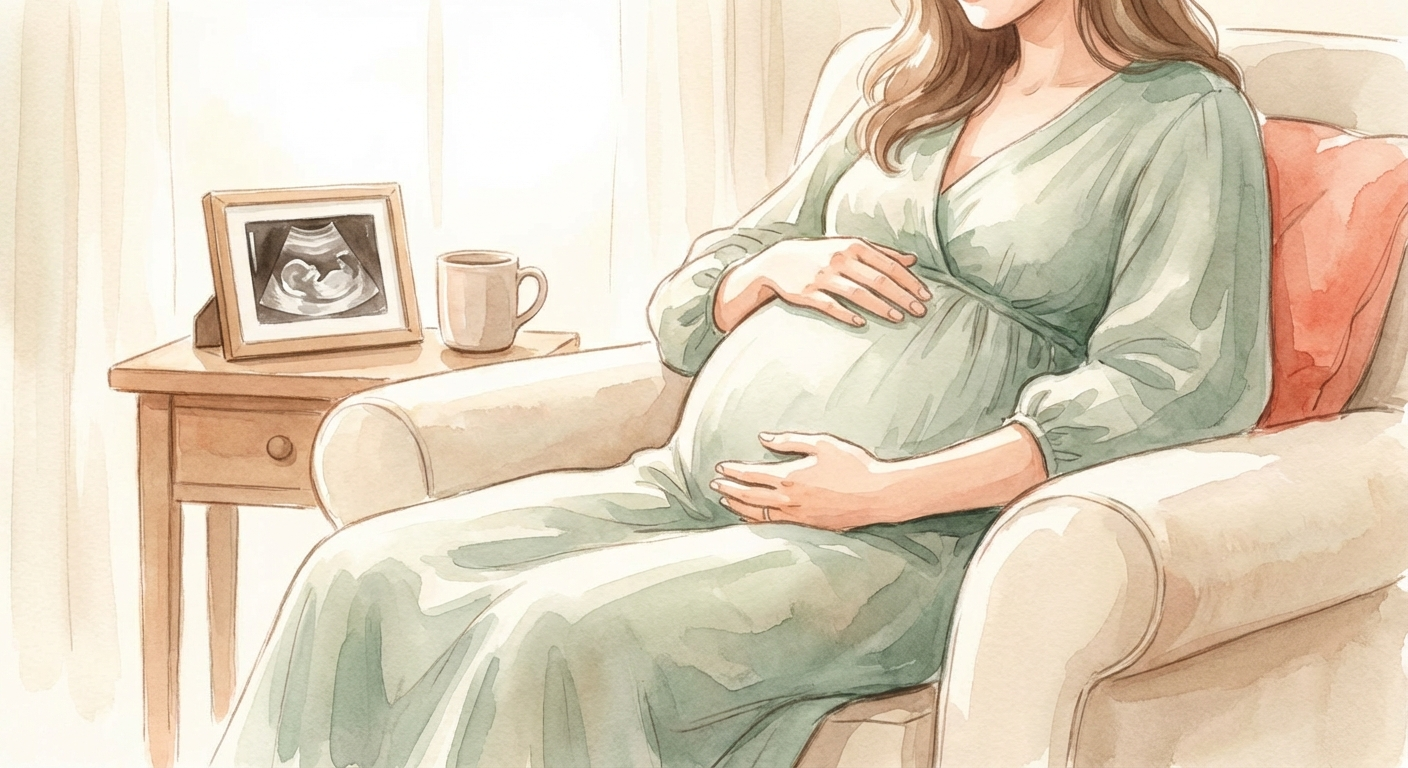
Week 26
Your baby is the size of a
Lettuce
35.6 cm
Length
760 g
Weight
26 Weeks Pregnant: Baby's Eyes Are Opening
At 26 weeks pregnant, your baby is about the size of a scallion or head of lettuce, measuring around 14 inches (35.6 cm) from head to heel and weighing approximately 1.7 pounds (760 grams). This week, your baby’s eyes are beginning to open for the first time, and they can see light and shadows inside the womb.
What’s Happening at 26 Weeks Pregnant?
You’re in the final week of your second trimester! Week 26 marks an exciting transition as you prepare to enter the third and final trimester of pregnancy. Your baby is becoming increasingly active and responsive to external stimuli.
Many people find that week 26 brings a mix of excitement and new physical challenges. Your belly is growing noticeably, and you may be experiencing symptoms like back pain, heartburn, and fatigue more intensely. At the same time, feeling your baby’s regular movements is deeply reassuring and helps you feel connected to the little person growing inside you.
Your uterus now extends about 2.5 inches (6 cm) above your belly button, and your pregnancy is becoming more visible to others. You may be receiving more attention and questions about your due date and baby’s sex.
How Big is My Baby at 26 Weeks?
Your baby at 26 weeks is about the size of a scallion or head of lettuce, measuring approximately 14 inches (35.6 cm) from crown to heel.
Your baby now weighs around 1.7 pounds (760 grams) and is gaining about half a pound every two weeks. Despite this rapid growth, your baby still has a lean appearance with wrinkled skin, though fat is beginning to accumulate.
The proportions are becoming more baby-like, with the head still slightly large for the body but moving toward more balanced proportions.
Baby Development at Week 26
Significant developmental milestones are occurring:
Eyes begin to open: This week is a major milestone—your baby’s eyelids, which have been fused shut since early development, are beginning to open and close. Your baby can now blink and may be able to see light filtering through your abdomen.
Eye color development: While most babies are born with blue or gray eyes (melanin develops after birth when exposed to light), the pigment that will determine final eye color is already forming in the iris.
Response to light and sound: Your baby can detect changes in light and may turn toward or away from bright lights shined on your belly. They’re also responding to familiar sounds, particularly your voice.
Lung development progresses: The lungs are developing more air sacs (alveoli) and producing increasing amounts of surfactant, the substance that keeps lungs inflated. While babies born at 26 weeks have a chance of survival with intensive medical care, lung immaturity remains a significant challenge.
Brain wave activity: Your baby’s brain waves are now showing rapid eye movement (REM) sleep patterns, suggesting they may be dreaming. Different sleep and wake cycles are becoming established.
Immune system development: Your baby’s immune system is developing, though they’ll still rely heavily on antibodies from you (transferred through the placenta and later through breastmilk) for months after birth.
Taste buds are functional: Your baby can taste the amniotic fluid, which is flavored by the foods you eat. Research suggests babies develop preferences for flavors they encounter in utero.
Movement patterns: Your baby has established regular sleep-wake cycles, and you may notice patterns to their movement (often more active in the evening when you’re resting).
Common Symptoms at 26 Weeks Pregnant
Physical symptoms often intensify as you approach the third trimester:
Increased back and pelvic pain: The hormone relaxin continues to loosen your ligaments in preparation for birth, which can lead to discomfort. Your growing belly also shifts your center of gravity.
Trouble sleeping: Finding a comfortable position becomes more challenging. Frequent urination, leg cramps, heartburn, and your growing belly can all disrupt sleep.
Braxton Hicks contractions: These practice contractions may become more noticeable. Your uterus tightens for 30 seconds to 2 minutes, then relaxes. Unlike true labor contractions, Braxton Hicks are irregular and don’t increase in intensity or frequency.
Swelling (edema): Mild swelling in your feet, ankles, and hands is normal as your body retains extra fluid. Severe or sudden swelling, especially in the face and hands, requires immediate medical attention as it can signal preeclampsia.
Constipation and hemorrhoids: Pregnancy hormones slow digestion, and your growing uterus puts pressure on your intestines. This can lead to constipation and hemorrhoids (swollen rectal veins).
Headaches: Hormonal changes, dehydration, low blood sugar, poor sleep, or stress can trigger headaches during pregnancy. Most are benign, but severe or persistent headaches warrant medical evaluation.
Frequent urination: Your baby is pressing on your bladder, reducing its capacity.
Shortness of breath: Your expanding uterus pushes upward on your diaphragm, slightly reducing lung capacity.
Round ligament pain: Sharp or aching pain in your lower abdomen or groin can occur when the ligaments supporting your uterus stretch.
When to Call Your Doctor
Seek immediate medical attention if you experience:
- Regular, rhythmic contractions (more than 4 per hour)
- Fluid leaking from your vagina
- Vaginal bleeding
- Severe or persistent abdominal pain
- Sudden or severe swelling
- Severe headache with vision changes
- Significant decrease in fetal movement
Tips for Week 26
Schedule your glucose screening if you haven’t: Most providers test for gestational diabetes between weeks 24-28. This involves drinking a sweet glucose solution and having your blood drawn one hour later.
Start planning your third trimester: With just one week until the third trimester, start thinking about final preparations—childbirth classes, pediatrician selection, nursery setup, and maternity leave planning.
Invest in a pregnancy support belt: If you’re experiencing significant back or pelvic pain, a maternity support belt can help redistribute weight and provide relief.
Practice relaxation techniques: Learning breathing exercises, meditation, or prenatal yoga now will serve you well during labor and in managing stress.
Stay active with modifications: Continue exercising with your provider’s approval, but listen to your body. Swimming, walking, and prenatal yoga are excellent low-impact options.
Sleep on your left side: This position optimizes blood flow to your baby and kidneys. Use pillows to support your belly and between your knees.
Manage heartburn: Eat smaller, frequent meals; avoid trigger foods; stay upright for 1-2 hours after eating; and sleep with your upper body elevated.
Stay hydrated: Drink at least 8-10 glasses of water daily to support increased blood volume, amniotic fluid, and overall health.
Monitor kick counts: While formal kick counting typically starts around week 28, you can begin noticing your baby’s movement patterns. Most babies have predictable active periods.
Stock up on healthy snacks: Keep nutritious, easy-to-grab snacks on hand—nuts, fruit, yogurt, cheese, whole-grain crackers—to maintain stable blood sugar.
Address swelling: Elevate your feet when sitting, avoid standing for long periods, wear comfortable shoes, and stay hydrated. Paradoxically, drinking more water can help reduce swelling.
Preparing for the Third Trimester
The third trimester begins next week! Here’s what to prepare for:
More frequent appointments: Your prenatal visits will likely increase to every two weeks starting around week 28, then weekly after week 36.
Additional tests: You may have Group B strep testing around week 35-37 and potentially additional ultrasounds if your provider wants to monitor growth or position.
Physical changes accelerate: Your belly will grow more noticeably each week, and symptoms like heartburn, back pain, and fatigue may intensify.
Nesting instinct: Many people experience a burst of energy and desire to prepare the home for baby’s arrival in the third trimester.
Final preparations: The third trimester is when you’ll finalize your birth plan, pack your hospital bag, install the car seat, and complete any remaining tasks.
Building Your Baby’s Brain
Your baby’s brain is developing rapidly now, and you can support this growth:
Eat omega-3 fatty acids: DHA (found in fatty fish like salmon, sardines, and fortified eggs) supports brain and eye development. If you don’t eat fish, consider a prenatal DHA supplement.
Get adequate choline: Found in eggs, lean meats, and legumes, choline supports brain development and may reduce risk of neural tube defects.
Talk and sing to your baby: Your baby can hear and recognize your voice. Reading aloud, singing, or simply talking to your bump can support language development and bonding.
Manage stress: Chronic high stress can affect fetal development. Prioritize rest, relaxation, and activities that bring you joy.
Keep Your Pregnancy Organized with Nooko
Set your pregnancy using the first day of your last menstrual period or the due date from a dating scan to follow week-specific guidance and your due-date countdown. Use the journal for selected symptoms and private notes, save bump photos, manage checklists, reminders, and prenatal appointments, and share supported updates with an approved partner.
Nooko provides general information and recording tools, not medical advice or diagnosis. Some features require Nooko+.
Download Nooko on the App Store
References
- Cleveland Clinic. (2025). “Fetal Development: Week-by-Week Stages of Pregnancy.” https://my.clevelandclinic.org/health/articles/7247-fetal-development-stages-of-growth
- American College of Obstetricians and Gynecologists. (2025). “How Your Fetus Grows During Pregnancy.” https://www.acog.org/womens-health/faqs/how-your-fetus-grows-during-pregnancy
- BabyCenter. (2025). “26 Weeks Pregnant.” https://www.babycenter.com/pregnancy/week-by-week/26-weeks-pregnant
- Mayo Clinic. (2024). “Fetal development: The 2nd trimester.” Mayo Clinic Guide to a Healthy Pregnancy.
- Cleveland Clinic. (2025). “Fetal Development: Week-by-Week Stages of Pregnancy.”
- Kisilevsky BS, et al. (2009). “Fetal sensitivity to properties of maternal speech and language.” Infant Behavior and Development, 32(1), 59-71.
- Mayo Clinic. (2024). “Fetal development: The 2nd trimester.” https://www.mayoclinic.org/healthy-lifestyle/pregnancy-week-by-week/in-depth/fetal-development/art-20046151
- Mayo Clinic. (2025). “Fetal development: The 3rd trimester.” https://www.mayoclinic.org/healthy-lifestyle/pregnancy-week-by-week/in-depth/fetal-development/art-20045997
- Mennella JA, et al. (2001). “Prenatal and postnatal flavor learning by human infants.” Pediatrics, 107(6), E88.
- American College of Obstetricians and Gynecologists. (2025). “Back Pain During Pregnancy.” https://www.acog.org/womens-health/faqs/back-pain-during-pregnancy
- Mayo Clinic. (2024). “Braxton Hicks contractions.” https://www.mayoclinic.org/healthy-lifestyle/pregnancy-week-by-week/expert-answers/braxton-hicks-contractions/faq-20057927
- American College of Obstetricians and Gynecologists. (2025). “Gestational Diabetes.” https://www.acog.org/womens-health/faqs/gestational-diabetes
- American College of Obstetricians and Gynecologists. (2024). “Nutrition During Pregnancy.” https://www.acog.org/womens-health/faqs/nutrition-during-pregnancy
Get Nooko Updates
Pregnancy tips and product updates, sent occasionally.
No spam. Privacy policy. Consumer health privacy. Unsubscribe anytime.
Ready to start tracking?
Download Nooko free — your pregnancy companion from week 1 to birth.