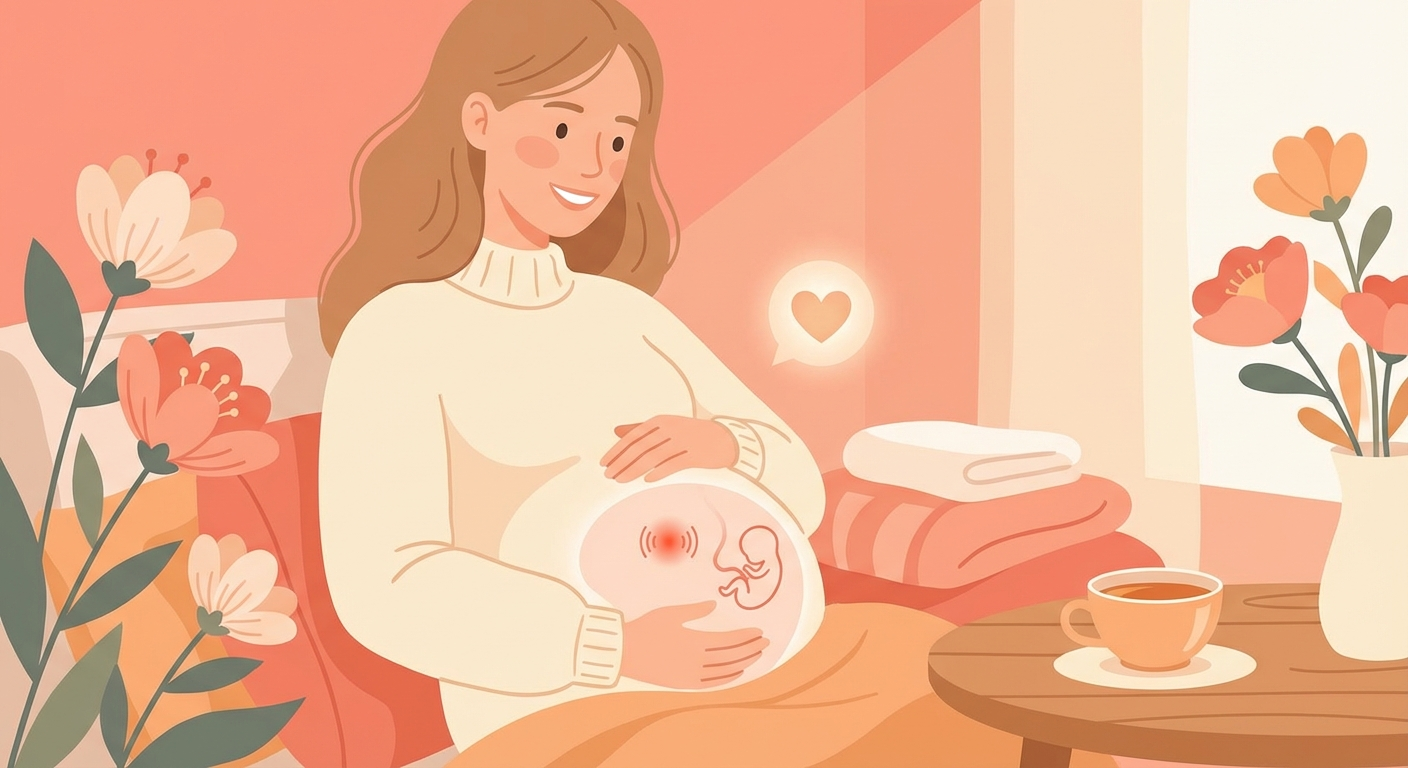
Week 6
Your baby is the size of a
Lentil
6 mm
Length
< 1 g
Weight
6 Weeks Pregnant: Facial Features Begin to Form
At 6 weeks pregnant, your baby is about the size of a sweet pea (4-5 mm). Your baby’s heart is now beating at about 105-110 beats per minute and may be visible on an ultrasound. Facial features are beginning to form, and tiny limb buds that will become arms and legs are emerging.
What’s Happening at 6 Weeks Pregnant?
Week 6 marks significant visible progress in your baby’s development. What was a curved embryo last week is now developing recognizable features, though your baby still has a tadpole-like appearance with a small “tail” that will eventually become the tailbone.
This is often the week of your first prenatal appointment and possibly your first ultrasound. If your healthcare provider performs an ultrasound this week, you might see a tiny flicker on the screen—your baby’s heartbeat. Seeing that first heartbeat is an emotional milestone for many expectant parents.
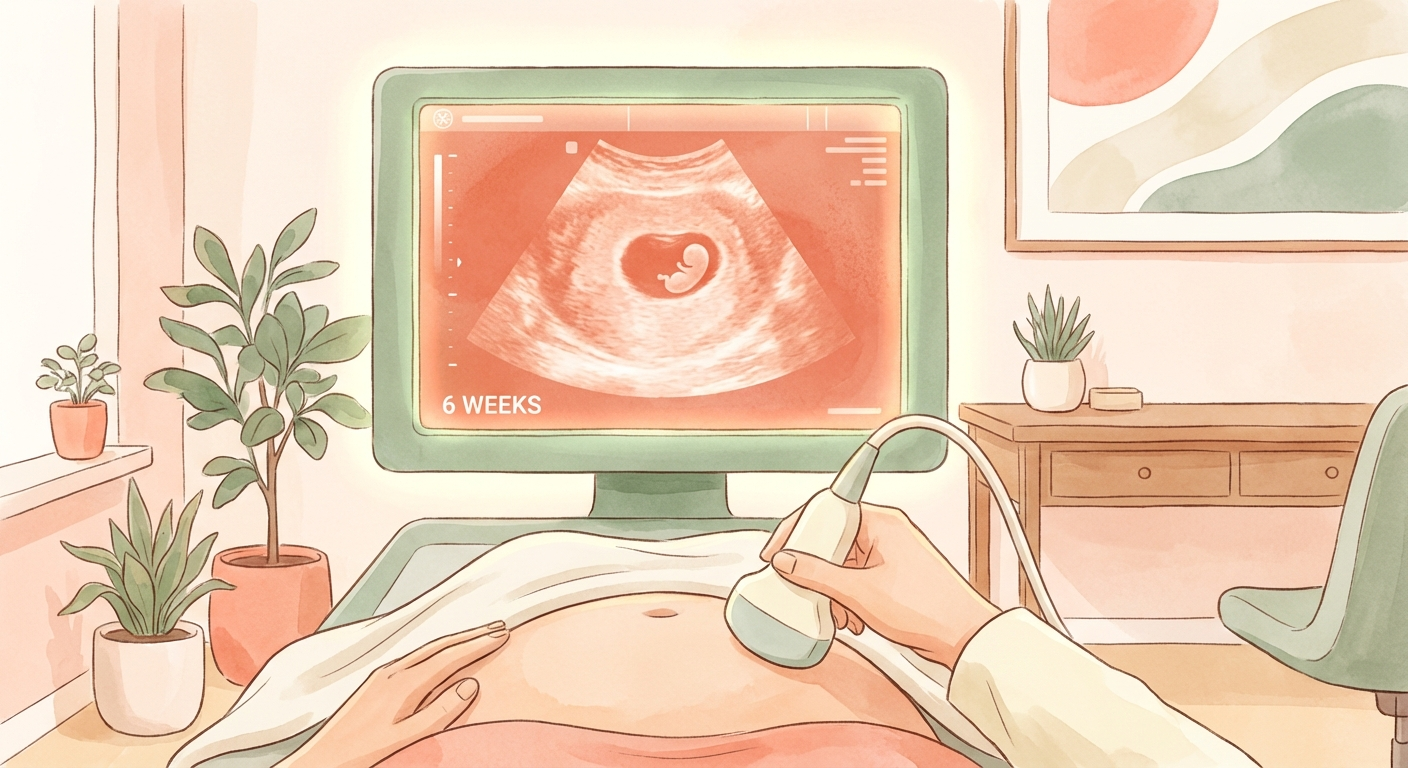
For you, pregnancy symptoms may be intensifying. Many people find that nausea, fatigue, and other early pregnancy signs peak during weeks 6-9 as hormone levels continue to rise rapidly.
How Big is My Baby at 6 Weeks?
Your baby at 6 weeks is about the size of a sweet pea or lentil, measuring approximately 4-5 millimeters (about 0.16-0.20 inches) from crown to rump.
Despite still being incredibly small, your baby has doubled in size since last week. The embryo now has a more defined C-shape, with a large head section relative to the body—a proportion that will gradually change as pregnancy progresses.
Baby Development at Week 6
This week brings remarkable developmental changes:
Heartbeat: Your baby’s heart, which began beating last week, is now pumping blood through a developing circulatory system. The heart rate is approximately 105-110 beats per minute this week (for comparison, an adult heart beats 60-100 times per minute). An abdominal or transvaginal ultrasound may be able to detect this heartbeat.
Facial features forming: While your baby doesn’t yet look recognizably human, facial features are beginning to take shape:
- Dark spots appear where the eyes will develop
- Small depressions mark where the ears will form
- A tiny opening appears where the mouth will be
- The nose is beginning to emerge
- Inside the mouth, the tongue and vocal cords are starting to develop
Limb buds: Small bumps (limb buds) are sprouting from your baby’s body. These paddle-shaped structures will develop into arms and legs over the coming weeks. Your baby may even be moving these tiny appendages, though you won’t be able to feel it yet.
Neural tube development: The neural tube, which began forming last week, continues to develop and will eventually become your baby’s brain and spinal cord. The top portion is growing rapidly and will become the brain, while the rest extends down the back to form the spinal cord.
Other organ development:
- The lungs are beginning to form
- The liver is starting to produce red blood cells
- The kidneys are developing
- The intestines are forming (though they’re currently inside the umbilical cord due to limited space in the tiny body)
- The pituitary gland is beginning to develop at the base of the brain
Head growth: Your baby’s head is disproportionately large—making up about half of the embryo’s total length. This is because the brain is growing rapidly and needs space. Don’t worry; body proportions will even out as pregnancy progresses.
Muscle formation: Muscles are starting to develop throughout your baby’s body, giving it more structure and the ability to make small movements.
Common Symptoms at 6 Weeks Pregnant
Week 6 is often when pregnancy symptoms reach their peak intensity during the first trimester. However, remember that everyone’s experience is different.
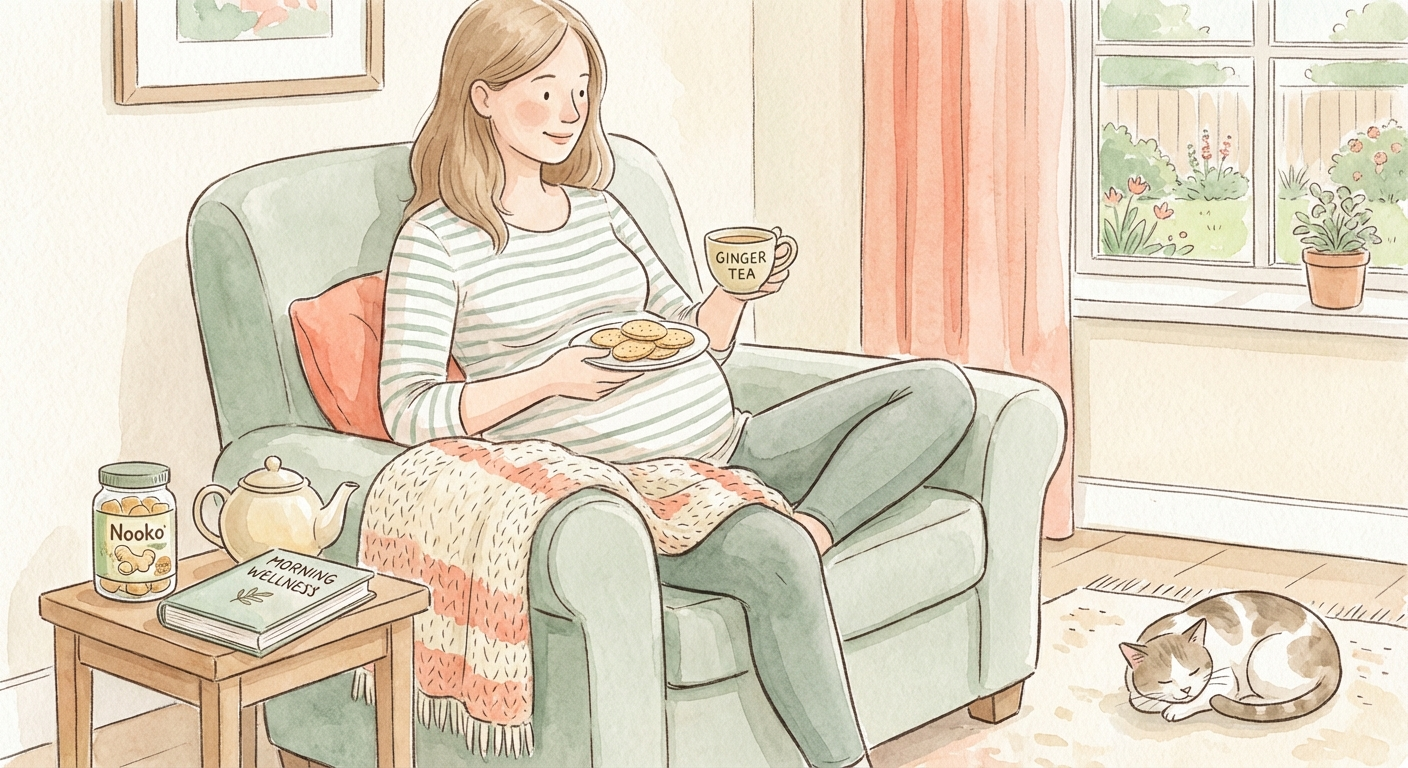
Morning sickness: Nausea and vomiting often intensify around week 6. Despite the name “morning sickness,” it can occur at any time of day or night. Some people experience mild queasiness, while others have severe nausea that interferes with daily activities. This is caused by rising hormone levels, particularly hCG and progesterone.
Extreme fatigue: You may feel utterly exhausted, even if you’re getting plenty of sleep. Your body is working incredibly hard to support your growing baby, and that requires a lot of energy. Progesterone also has a sedating effect, contributing to tiredness.
Breast changes: Your breasts may feel tender, swollen, or heavy. The areolas (the area around your nipples) might darken and grow larger. You may notice small bumps on the areolas—these are Montgomery’s tubercles, which are glands that secrete oil to keep the nipples moisturized.
Frequent urination: Hormonal changes increase blood flow to your kidneys, causing them to filter more fluid and produce more urine. You might find yourself making frequent trips to the bathroom, especially at night.
Food aversions and cravings: You may develop sudden aversions to foods you normally enjoy. Strong smells might become overwhelming and trigger nausea. Conversely, you might crave specific foods intensely.
Mild cramping: As your uterus expands to accommodate your growing baby, you may experience mild cramping or a pulling sensation in your lower abdomen. This is usually normal, but severe or one-sided pain should be evaluated by your healthcare provider.
Mood swings: Hormonal fluctuations can cause emotional ups and downs. You might feel tearful, irritable, anxious, or experience rapid mood changes.
Bloating and constipation: Progesterone slows your digestive system, which can lead to bloating, gas, and constipation.
Heightened sense of smell: Many people develop a superhuman sense of smell during early pregnancy, which can contribute to nausea and food aversions.
When to Call Your Doctor
Seek medical attention if you experience:
- Heavy bleeding (soaking through a pad in an hour) or passing tissue
- Severe abdominal pain, especially if it’s on one side (can indicate ectopic pregnancy)
- Dizziness, fainting, or shoulder pain
- Severe, persistent vomiting that prevents you from keeping down food or liquids for more than 24 hours (hyperemesis gravidarum)
- Fever above 100.4°F (38°C)
- Burning with urination (could indicate a urinary tract infection)
Tips for Week 6
Attend your first prenatal appointment: If you haven’t already, schedule and attend your first prenatal visit. Your healthcare provider will confirm your pregnancy, calculate your due date, review your medical history, and perform initial tests. You may have blood work to check hormone levels, blood type, and screen for various conditions.
Manage morning sickness: Try eating small, frequent meals throughout the day rather than three large ones. Keep crackers, dry toast, or pretzels by your bedside to eat before getting up in the morning. Ginger (in tea, candy, or capsule form) may help. Some people find that cold foods are easier to tolerate than hot foods. Stay hydrated—if plain water is unappealing, try ice chips, frozen fruit, or water with lemon.
Rest as needed: Don’t fight the fatigue. Your body needs extra rest right now. Take naps when possible, go to bed earlier, and don’t feel guilty about resting.
Take your prenatal vitamin: Continue taking your prenatal vitamin daily. If it makes you nauseous, try taking it with food or at bedtime. Some people find gummy prenatal vitamins easier to stomach, though make sure yours contains adequate folic acid.
Stay hydrated: Aim for 8-10 glasses of water daily. Dehydration can worsen fatigue and nausea. If you’re vomiting frequently, hydration is especially important.
Eat when you can: If morning sickness is severe, eat whatever you can tolerate, even if it’s not the healthiest option. Getting something in your stomach is more important right now than perfect nutrition. When nausea subsides, you can focus on more balanced meals.
Avoid triggers: Identify what triggers your nausea—whether it’s certain smells, foods, or situations—and avoid them when possible.
Be patient with yourself: Early pregnancy is hard. Give yourself permission to slow down, cancel plans, and take care of yourself first.
Consider pregnancy-safe exercise: If you feel up to it, gentle exercise like walking or prenatal yoga can boost energy and improve mood. However, listen to your body and don’t push yourself.
Stay away from harmful substances: Continue avoiding alcohol, tobacco, and recreational drugs. Check with your healthcare provider before taking any medications or supplements.
Keep Your Pregnancy Organized with Nooko
Set your pregnancy using the first day of your last menstrual period or the due date from a dating scan to follow week-specific guidance and your due-date countdown. Use the journal for selected symptoms and private notes, save bump photos, manage checklists, reminders, and prenatal appointments, and share supported updates with an approved partner.
Nooko provides general information and recording tools, not medical advice or diagnosis. Some features require Nooko+.
Download Nooko on the App Store
References
- Cleveland Clinic. (2025). “Fetal Development: Week-by-Week Stages of Pregnancy.” https://my.clevelandclinic.org/health/articles/7247-fetal-development-stages-of-growth
- What to Expect. (2025). “6 Weeks Pregnant: Baby Development, Symptoms & Signs.” https://www.whattoexpect.com/pregnancy/week-by-week/week-6.aspx
- Johns Hopkins Medicine. (2025). “10 Early Signs of Pregnancy.” https://www.hopkinsmedicine.org/health/wellness-and-prevention/10-early-signs-of-pregnancy
- BabyCenter. (2025). “6 weeks pregnant: Ultrasound, symptoms, belly, and more.” https://www.babycenter.com/pregnancy/week-by-week/6-weeks-pregnant
- BabyCenter. (2025). “6 weeks pregnant: Ultrasound, symptoms, belly, and more.”
- The Bump. (2025). “6 Weeks Pregnant: Baby Development, Symptoms and Tips.” https://www.thebump.com/pregnancy-week-by-week/6-weeks-pregnant
- Mayo Clinic. (2024). “Fetal development: The first trimester.” https://www.mayoclinic.org/healthy-lifestyle/pregnancy-week-by-week/in-depth/prenatal-care/art-20045302
- Mayo Clinic. “Symptoms of pregnancy: What happens first.” https://www.mayoclinic.org/healthy-lifestyle/getting-pregnant/in-depth/symptoms-of-pregnancy/art-20043853
- American College of Obstetricians and Gynecologists. “Morning Sickness: Nausea and Vomiting of Pregnancy.”
Get Nooko Updates
Pregnancy tips and product updates, sent occasionally.
No spam. Privacy policy. Consumer health privacy. Unsubscribe anytime.
Ready to start tracking?
Download Nooko free — your pregnancy companion from week 1 to birth.